

Books by Randy Woodley
Books
Nonfiction
A Declaration of Interdependence: An Indigenous Path to a More Just Democracy
Coming Fall 2027 from WJK Press
America is in a political emergency, and most people know it. Most of the books answering this moment recycle arguments from the same broken worldview that created the crisis. This one draws on decades of relationship with many tribal nations across North America and my doctoral research on the shared governance values those nations practiced for millennia. The cure was always here, and the people who kept it alive are still here.
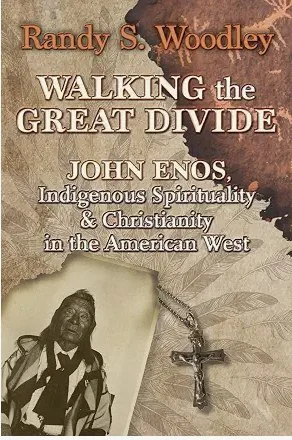
Walking the Great Divide: John Enos, Indigenous Spirituality and Christianity in the West
Coming March 2027 from Orbis Books
One of the most remarkable but overlooked chapters in Indigenous-Christian encounter in North America is the three-generation saga of John Enos, his father, and his grandfather, who are Edith Woodley’s direct ancestors. John Enos’s legacy reveals his signature brand of bridge-building: faith made local, moral courage made generational, and spirituality made true to land.
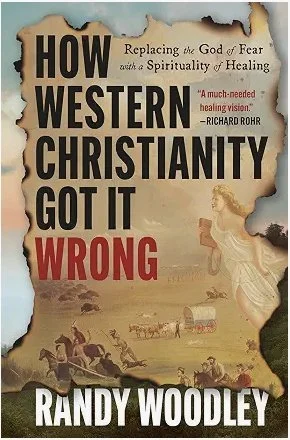
How Western Christianity Got It Wrong: Replacing the God of Fear with a Spirituality of Healing
Broadleaf Books, 2026
Jesus was a brown man from Nazareth who never lost his connection to the whole community of creation. Somewhere along the way, Western Christianity made him the poster child for empire. This book traces how fear, violent atonement theories, and a monopoly on sin and salvation pushed out the healing way Jesus actually lived.
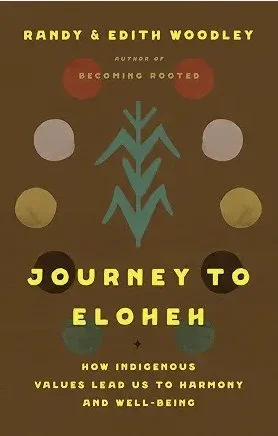
Journey to Eloheh: How Indigenous Values Lead Us to Harmony and Well-Being
with Edith Woodley · Broadleaf Books, 2024
Edith and I tell our own stories here, along with ten values of the Harmony Way held in common across many Indigenous nations: harmony, respect, accountability, history, humor, authenticity, equality, friendship, generosity, and balance. The American Dream brought us to the brink, and we think there’s another road.
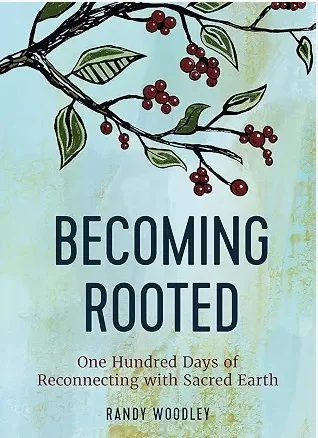
Becoming Rooted: One Hundred Days of Reconnecting with Sacred Earth
Broadleaf Books, 2022
A hundred days of meditations for getting reacquainted with the water, land, plants, and creatures where you live, and with the people who lived on that land for thousands of years before you. What gets called the American dream has been an Indigenous nightmare, and this book is one way to become a better relative.
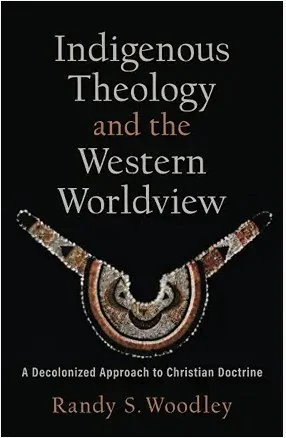
Indigenous Theology and the Western Worldview: A Decolonized Approach to Christian Doctrine
Baker Academic, 2022
Western theology settled on one view of God centuries ago and has been repeating it ever since. Indigenous theology comes from different DNA. It starts with place instead of the individual, and with the whole community of creation instead of humans alone. Named one of the important theology books of 2022 by Englewood Review of Books.
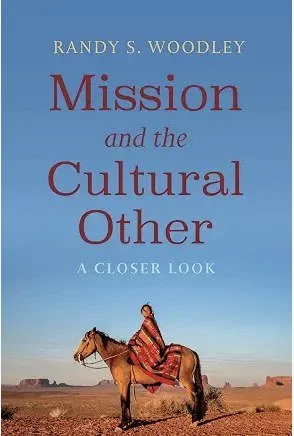
Mission and the Cultural Other: A Closer Look
Cascade Books, 2022
After more than thirty years in missionary movements, I’ve seen the best and worst American mission has to offer. This is a decolonial critique from someone who has been both insider and outsider. If we want to understand what’s broken in modern mission, we have to hear from its casualties.
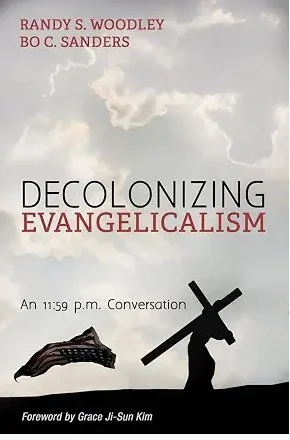
Decolonizing Evangelicalism: An 11:59 p.m. Conversation
with Bo C. Sanders · Cascade Books, 2020
Bo and I wrote this as a conversation between two friends, one Native and one not. Two questions run through it: What is your relationship to power? And who is my neighbor?
Shalom and the Community of Creation: An Indigenous Vision
Eerdmans, 2012
The Native American Harmony Way and biblical shalom turn out to be close cousins. I put them in conversation on creation, time and place, story, and community, and ask what a more biblically honest spirituality would look like if the church listened to Indigenous people.
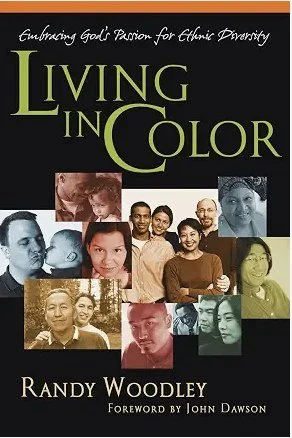
Living in Color: Embracing God’s Passion for Ethnic Diversity
InterVarsity Press
God made people different on purpose. Drawing on Scripture and Native experience, this is my case that diversity is part of God’s plan, and that unity doesn’t mean sameness.
Fiction
Fiction Found Me Late
Most folks know me for the nonfiction: theology, Indigenous values, the farm. The Harmony Tree books were my only fiction, until lately. Fiction lets me say what scholarship can’t. Scholarship has to be defended, but a story only has to be true to itself.
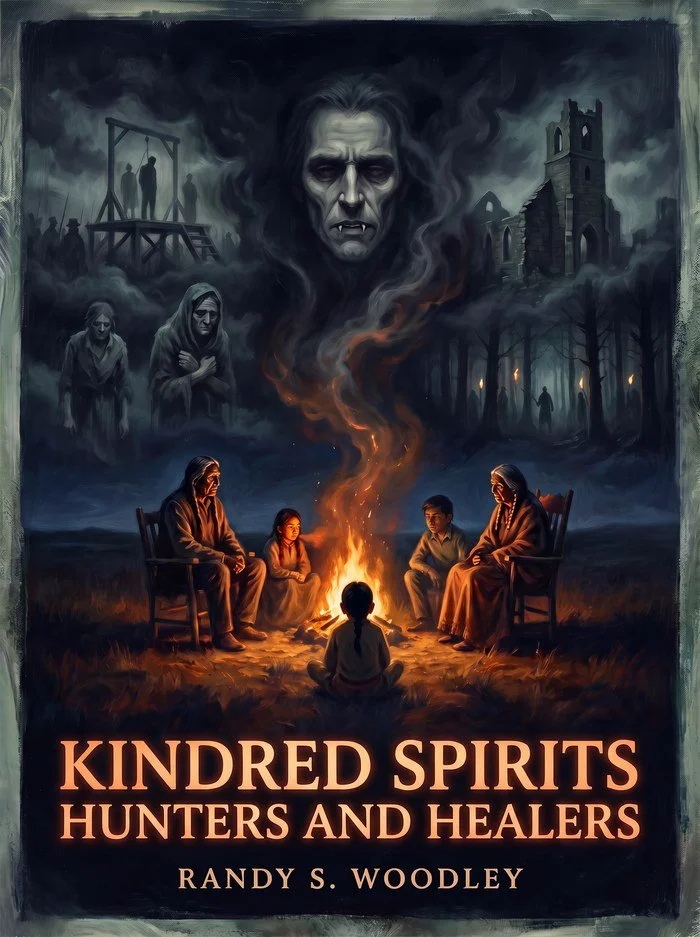
Kindred Spirits: Hunters and Healers
Coming Fall 2027 from Lake Drive Books
In 1847, sixteen years after the Trail of Tears, the Choctaw Nation took up a collection for starving strangers in Ireland. They sent $170 they didn’t have. That kindness is real, and it’s where all three books start. The vampires are made up. I’m fairly sure of that one. The colonization isn’t, and neither is the way it keeps knocking on doors with a smile and a story about brotherhood.
Samuel Crow tells his three grandchildren, Tommy, Sarah and Daniel, how he and their grandmother Mary spent nineteen years hunting Declan O’Brien, an Irish vampire who walked into Choctaw country calling himself kin. They finish him in 1934. What they never see is that in his last hour Declan makes one more. A cotton heiress from Natchez named Emmeline Mercer opens her eyes in an alley in Jackson, Mississippi, with Samuel’s coat over her face. The three children around that fire are the three who will have to deal with her.
The Harmony Tree Trilogy
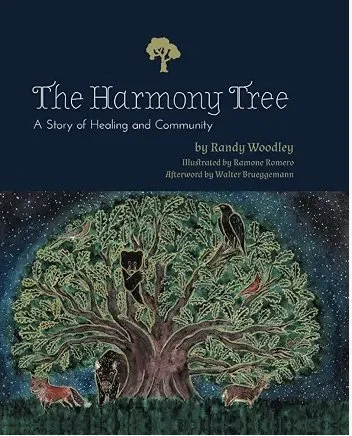
The Harmony Tree: A Story of Healing and Community
Book 1 · Children’s book
Grandmother Oak is spared when loggers clear-cut her forest. The new trees that arrive with the houses are shallow and wrapped up in themselves. As she shares her stories and how she grew such deep roots, she finds hope and healing, and the other trees find strength too.
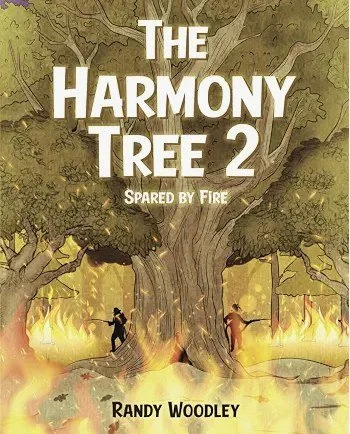
The Harmony Tree 2: Spared by Fire
Book 2 · Children’s book
A girl named Jade learns about Native culture and the life in nature, and about stepping past her comfort zone to get to know people different from herself. The ecological thread here is caring for the forest in ways that prevent wildfires.
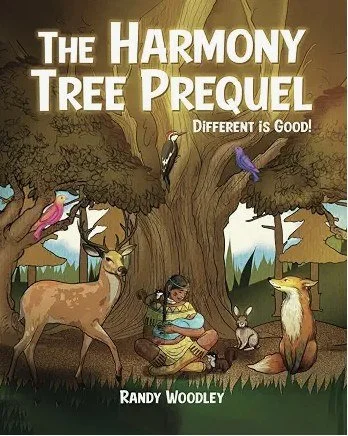
The Harmony Tree Prequel: Different Is Good
Book 3 · Children’s book
Sage is different from the other boys, and he finds his place because people accept his gifts instead of making him fit in. In most tribal societies, differently gifted people were considered sacred, not looked down on. It’s for any child who’s different, for their parents, and for the kids around them. It also encourages protecting animal species.
Cover art for upcoming novels is Randy’s own, made as he imagines them. Final published covers may differ.